
October 16, 2026

This is generally the time when companies get serious about delegating their accounting processes to India. The repetitive jobs are done by the professionals, while your employees can take care of reviewing, client calls, and developing new business. While in most cases, this system works fine for businesses, for some it becomes a tedious process that takes weeks of clarifications. The only difference in such cases is in the way in which the information is sent, received and processed.
A decade ago, offshore accounting mostly meant data entry. You’d scan a stack of receipts, email them across and get a spreadsheet back a few days later. Cheap, but limited.
Now firms want something closer to an extra team member. Someone who logs into the same Xero file, follows the same month-end checklist and turns up on the Monday call. Part of the reason is that hiring accountants has become hard in a lot of countries, and the ones you do hire don’t always stay long. So the conversation has moved away from “how do we save money” and toward “how do we keep up with the work we already have.”
In 2026, CPAs and accounting firms are increasingly outsourcing work to India to access skilled accounting professionals, reduce operational costs, and manage growing workloads.
India suits this kind of setup. Many accountants there already work on international standards and know QuickBooks, Xero, Sage and MYOB well. And since nearly everything runs on the cloud now, distance doesn’t really matter for day-to-day work.
Partnering with an experienced accounting outsourcing company helps firms scale their services, improve efficiency, and focus more on client relationships and business growth.
Here’s a simple way to check: if a task happens every week or month, follows the same steps, and someone in your office can check it before the client sees it, you can probably outsource it.
Nearly every firm starts here. Coding transactions, matching receipts, reconciling bank and card accounts, clearing the suspense account before month-end. If you have 80 or 100 bookkeeping clients, this alone can fill a full-time role. Moving it out is usually the quickest win.
Entering supplier bills, checking them against purchase orders, getting the weekly payment run ready, and sending reminders for unpaid invoices. You or your client still approve the actual payment. The team just does all the prep before that.
Payslips, leave balances, payroll reports, tax workpapers, first drafts of returns. Your people do the review, sign-off and filing. In some countries that last part has to stay local anyway, so this split works out neatly.
Accruals, prepayments, depreciation, management accounts, draft year-end figures. Your reviewer opens a file that’s already mostly done instead of starting from a raw trial balance.
What should you keep? Client advice, tax planning conversations and anything that legally needs a qualified signature.
Outsourcing accounting work to India involves choosing the right partner, defining your requirements, and establishing a secure workflow. An experienced accounting outsourcing company can help streamline operations, reduce costs, and ensure accurate financial reporting through a structured onboarding process.
Before you speak to any provider, ask your staff to track their tasks for two weeks, roughly how long each one takes. You’ll probably find that reconciliations or payroll prep are taking far more time than anyone thought.
Not ten. Two or three. For each one, note the number of clients, the deadline, the software and what a finished job looks like. Something like “bank reconciled, unmatched items listed in a note” is clear enough.
You can have a dedicated accountant on a fixed monthly fee, or pay per hour or per task if your volume goes up and down. There’s also white label support, where everything goes out under your firm’s name.
Send each one the same task list so you’re comparing like with like. Ask who checks the work before it reaches you, and what happens if your accountant leaves. Then try a paid trial, for example one month of reconciliations for five clients.
Sign the service agreement and the NDA before you share a single login. Then set up separate accounts for each team member, with access only to the clients they’re working on.
If the trial needs only small corrections, add five or ten clients at a time. If it needs a lot of fixing, find out why before you add more.
A cheap hourly rate doesn’t help much if your reviewer spends an extra hour on every file. We’ve put a full checklist together on picking an in house accounting vs outsourcing, but these are the questions we’d start with.
Have They Worked With Accounting Firms? - Supporting a firm is different from doing books for a small business directly. Ask how many accounting firms they work with, which countries, which software. Then ask if you can speak to one of them. If they hesitate, that tells you something.
How Do They Handle Client Data? - Where is information kept? Can the employees save anything from the system to their personal gadgets? How soon can ex-employees be denied access to the system? Certifications like ISO 27001 and ISO 9001 serve to prove that an outsider verified the existing control measures.
Will You Get the Same People Every Month? - Some providers rotate staff across lots of clients. That means your reviewer keeps fixing the same beginner mistakes. Ask for named team members.
Who Picks Up the Phone? - You want one named contact, regular updates and a way to sort out an urgent problem on the same day.
The firms that get the most out of it when they outsource accounting services tend to do a few things the same way.
Add the offshore accountants to your internal chat. Put their names on the task list. Invite them to the weekly call now and then. When your staff know who they’re talking to, questions get asked straight away instead of piling up in one long email on Friday.
Just a few lines. “Director’s loan account, check monthly.” “Bank feed duplicates card payments.” “Supplier X always invoices late.” Without notes like these, the team has to guess, and guessing is where most errors come from.
India is ahead of the UK and US and behind Australia. A UK firm can send questions at 5 p.m. and often find answers waiting at 9 the next morning. Just make sure there’s a two-hour window each day when both sides are online.
How long work takes to come back, how many corrections each file needs, and how many tasks are overdue. Go over them with the provider once a month.
Your clients trust your firm, not the provider. So this part stays your responsibility.
Keep Access Narrow
Each person should see only the clients and folders they work on. Use a secure portal or cloud drive, not email attachments. Make sure every individual has signed an NDA, not just the company. And check your own country’s privacy rules before any personal data goes overseas.
Have Two Reviews
A senior on the offshore side should check each file first. Your reviewer then does the final check. That way your reviewer is looking at judgement calls, not typos.
Track Corrections
Note each correction, which client, which task. After a couple of months you’ll usually see that most errors come from a handful of clients or one type of entry. Fix the instructions for those and the error count drops.
The new accountant won’t know that one client always pays rent in advance or that another has two bank accounts for the same business. It’s not a skill gap, it’s missing information. Client notes fix most of it.
Your reviewer will spend extra time in the first two or three months. Plan for that, and don’t start right before your busiest season.
If one accountant’s files are clean and another’s need constant fixing, tell the provider early and ask what training that person needs.
A replacement needs time to learn your clients. Ask upfront how handovers work and whether a backup already knows your files.
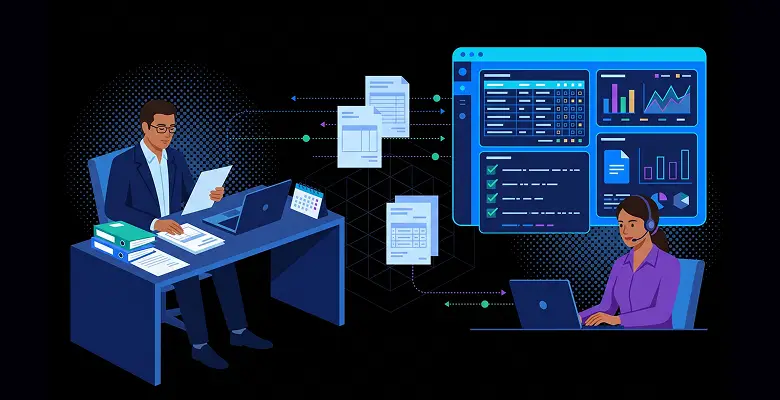
Almost all the firms that outsource accounting works to India face the same problem, and that is having too much routine work and very little staff. The best firms start out with simple tasks, write good client notes, understand which providers help accounting firms, and continually check their numbers.
At PCS Global, our teams in India work alongside accounting firms around the world on bookkeeping, payroll, tax prep and reporting, using the software you already have. If you’re planning to outsource accounting to India and want a team that follows your way of working, book a free consultation with us.

October 22, 2026

September 23, 2026

September 10, 2026